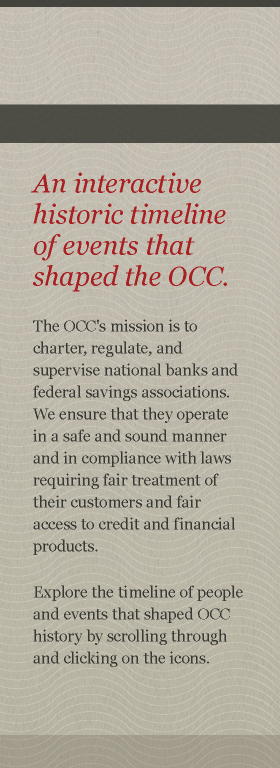


First National Bank of Philadelphia receives national bank charter number one.
A ten-percent tax on state-bank notes enacted by Congress makes currency issued by OCC-supervised national banks the nation’s common paper money.
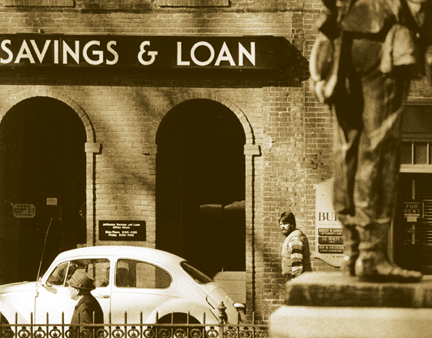
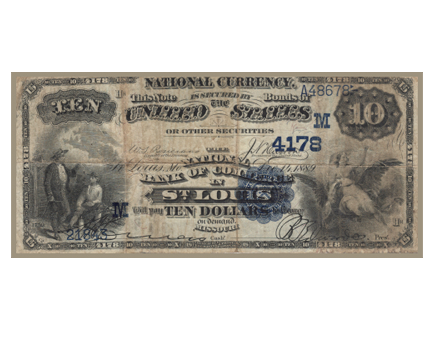
Commercial banks were largely uninterested in making housing loans for individuals to buy houses. National banks were forbidden by law from making such loans. Thrift institutions (also known as "savings and loans") were formed for that purpose. By 1900, there were more than 5000 such institutions in the United States, holding some $600 million in assets, mostly home mortgages.
The national banking laws envisioned the elimination of state-chartered banks. Yet during the 1870s and '80s, their numbers rebounded, encouraged by supportive state laws and restrictions on national bank activities that made the national bank charter less attractive.

The Federal Reserve Act brought a new central bank, a new national currency to replace national bank notes, and major changes to the OCC and bank supervision.
The Depression-related collapse of the mortgage industry led Congress to create a new system consisting of twelve Federal Home Loan Banks and a supervisory board whose mission was to funnel funds into member institutions for lending to home buyers.
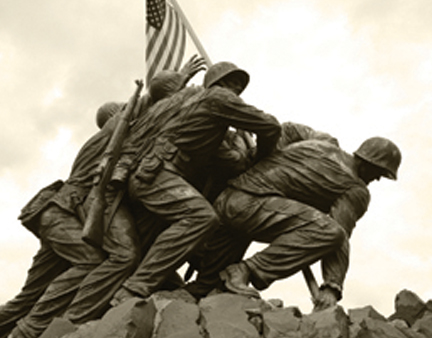
A revived and reorganized national banking system helped mobilize the nation’s financial resources in support of the war effort. During the war, bank balance sheets shifted heavily in favor of loans to the government rather than to individuals.

Glass-Steagall and related legislation shaped the banking environment in the post–World War II era. Limits on bank powers and activities, and restrictions on entry into the banking business were strictly enforced.
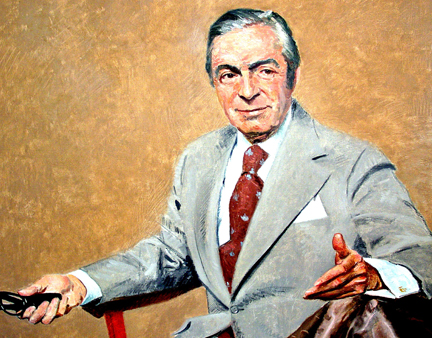
Under Comptroller Saxon, the OCC accelerated recruitment and training of national bank examiners, revised its supervisory guidance, and encouraged expansion of nation-bank numbers and powers.
The Community Reinvestment Act (CRA), which required federally regulated banks to provide financial services to underserved communities, was one of a number of laws enacted during the period to protect consumers and promote the public service responsibilities associated with a banking charter. The OCC was charged with enforcing compliance with CRA and related laws.
In the wake of several national bank failures, Comptroller James E. Smith commissioned a study of OCC practices that led to the adoption of new supervisory tools and strategies.
The OCC today deploys specialized supervisory resources in accordance with the specific risk posed by national banks of varying sizes, lines of business, and financial condition.
Diminishing returns from their traditional portfolio of home mortgage loans led many thrift institutions to take on excessive non-mortgage risk. The ensuing crisis led Congress to create new models for the industry and a new supervisory agency, the Office of Thrift Supervision.
The Dodd-Frank Act brought significant changes to the regulation of U.S. financial institutions to correct many of the abuses exposed by the financial crisis of 2007 to 2009. Among other things, the law integrated the Office of Thrift Supervision into the OCC.
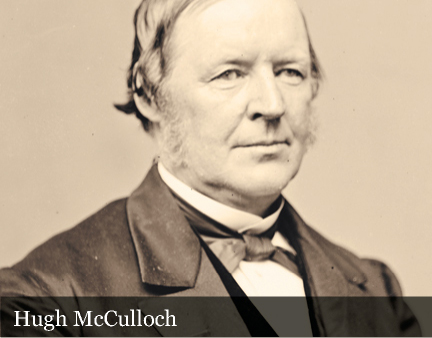
Hugh McCulloch was president of the State Bank of Indiana, among the most successful of the state banks, when President Lincoln nominated him to become the first Comptroller of the Currency. McCulloch organized the new office, evaluated applications for national bank charters, and proposed extensive changes to the National Currency Act, which were enacted in 1864 as the National Bank Act. After leaving the OCC, McCulloch went on to serve two terms as Secretary of the Treasury.
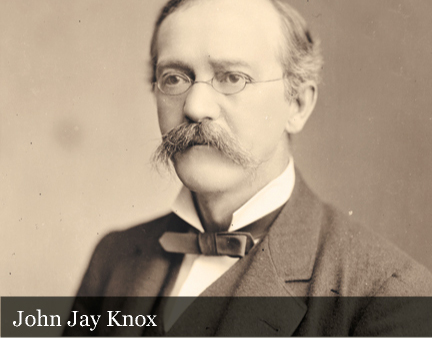
John Jay Knox, a native of New York, was the second longest serving Comptroller in the office’s history – and the first to rise through the OCC ranks to that position. Knox was also a renowned writer on banking and financial history, whose Annual Reports to Congress were important works of scholarship.
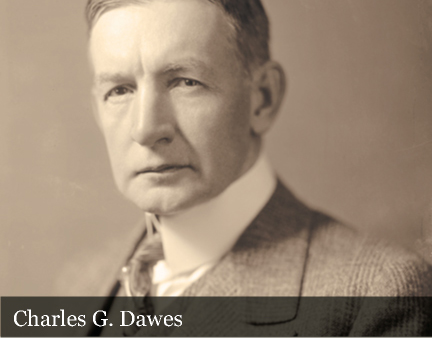
A native of Chicago, Charles G. Dawes had a distinguished career as a banker, philanthropist, statesman, author, and musician. He won the Nobel Peace Prize for his work to rebuild the European economy after World War I and served as Vice President of the United States between 1925 and 1929.
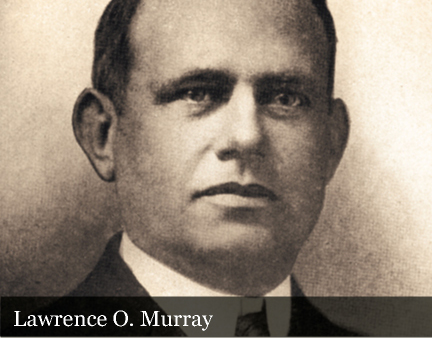
Lawrence O. Murray, a native of upstate New York, was an attorney whose interest in improving the operational effectiveness of government agencies earned him the support of President Theodore Roosevelt. As Comptroller, Murray launched an ambitious program of reforms that improved the OCC’s ability to supervise the national banking system.
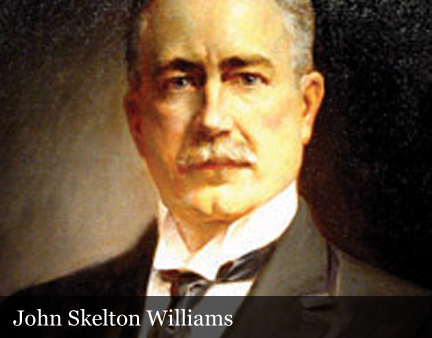
John Skelton Williams, a Virginian, was appointed Comptroller by President Woodrow Wilson. His tenure coincided with the creation of the Federal Reserve System, which instituted a new regime of paper money to replace national bank notes, extended federal regulation to state-chartered banks, and strengthened the OCC’s supervisory capabilities.
John Skelton Williams, a Virginian, was appointed Comptroller by President Woodrow Wilson. His tenure coincided with the creation of the Federal Reserve System, which instituted a new regime of paper money to replace national bank notes, extended federal regulation to state-chartered banks, and strengthened the OCC’s supervisory capabilities.
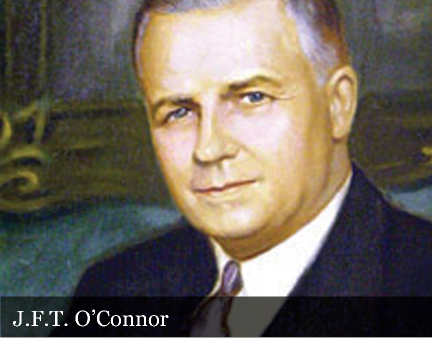
J.F.T. O’Connor, a native of North Dakota, led the OCC at a time of anxiety and uncertainty. He organized the massive effort to liquidate or reorganize the thousands of banks that were left insolvent during the Great Depression; helped coordinate federal bank supervision between the OCC, the Federal Reserve, and the FDIC; and stabilized the national banking system.
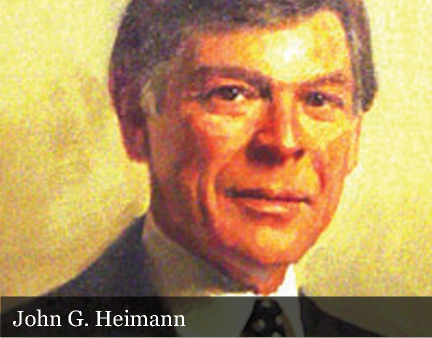
The former New York state banking commissioner, John G. Heimann became Comptroller at a time when the OCC mission was changing to embrace responsibility for the enforcement of consumer protection laws and the internationalization of American banking. Under his leadership, the OCC developed special programs to more effectively supervise the largest national banks.
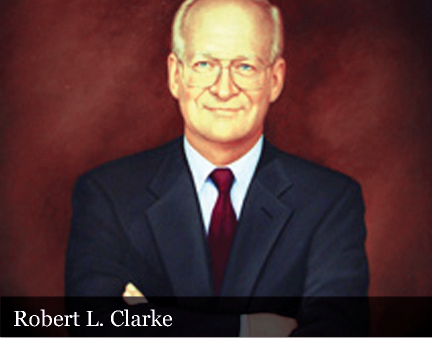
A Texan, Robert L. Clarke came to OCC from private legal practice. His tenure as Comptroller was overshadowed by an economic and financial crisis that rolled through several parts of the county, particularly the energy-producing states of Texas and Oklahoma. Through difficult times, Clarke distinguished himself by his steady leadership and defense of the agency’s independence and reputation.
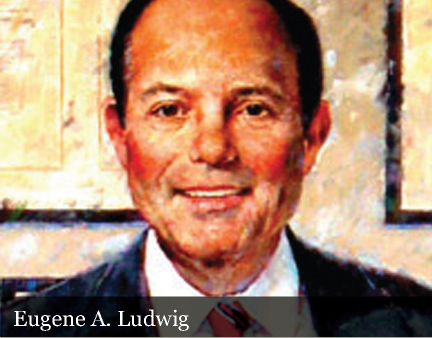
Eugene A. Ludwig, a native of Pennsylvania, was appointed Comptroller by President Bill Clinton. Ludwig encouraged national banks to revamp their business strategies to reach out to previously underserved Americans and to become partners in the rebuilding of America’s cities and municipalities. Ludwig helped reinvigorate the OCC and the national bank charter.
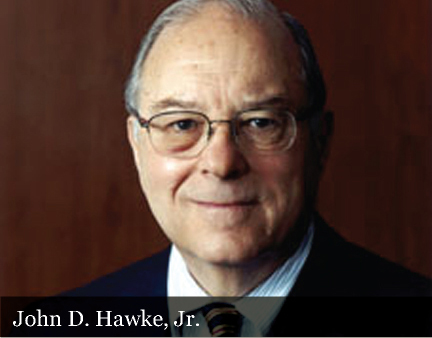
Under Secretary of the Treasury for Domestic Finance before coming to the OCC, John D. Hawke, Jr. presided over the agency at a time of relative tranquility in the national banking system, enabling him to focus on a number of key legal and administrative issues for the OCC and the national banking system. Hawke’s deep understanding of OCC traditions and history enriched his Comptrollership.
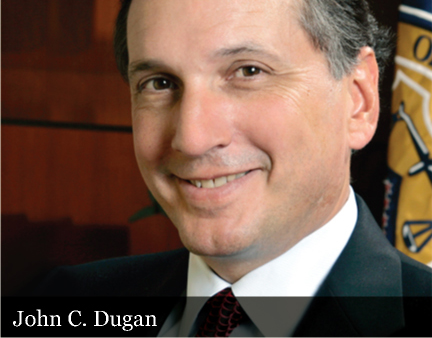
A native of Washington, D.C., John C. Dugan was appointed Comptroller by President George W. Bush. Dugan’s OCC tenure was dominated by the financial crisis that began in 2008. Dugan played a major role on the administration team that helped restore confidence and stability in the U.S. financial system.

